





Bilety na: MDAG: Efekt architektury
Organizator: Mazowiecki Instytut Kultury
Zakończenie sprzedaży online: 14.05.2026, g. 20:15
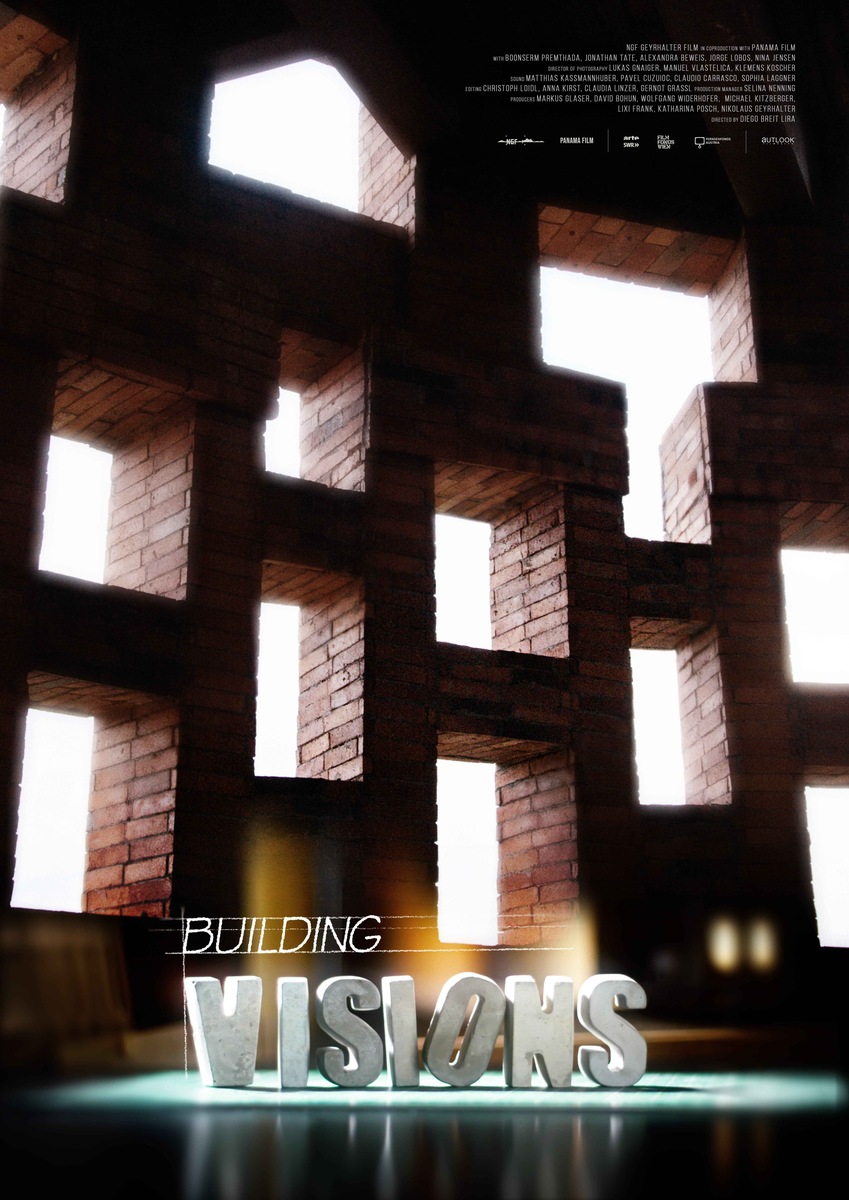
Czy architektura może odpowiadać na wyzwania współczesnego świata? Od pustyń po delty rzek, od dżungli po miejskie ulice – czteroodcinkowy serial zabiera nas do Chile, Nowego Orleanu, Tajlandii i Wiednia, gdzie architekci na nowo definiują zasady projektowania. Przekształcają suche krajobrazy w zielone linie życia i opracowują innowacyjne rozwiązania problemów klimatycznych oraz niedoboru mieszkań. W Chile powstaje architektura dla równości. Jorge Lobos i Nina Jensen tworzą zielone przestrzenie na pustyniach, aby przeciwdziałać nierównościom społecznym, niedoborom wody i zaniedbaniu odległych terenów. W Nowym Orleanie architektura staje się sposobem na nowy start – Jonathan Tate buduje mieszkania dla weteranów, byłych więźniów i osób o ograniczonych możliwościach finansowych, tworząc inkluzywne i wspierające społeczności. W Tajlandii architektura łączy potrzeby ludzi i zwierząt. W „Wiosce Słoni” Boonserm Premthada projektuje wspólne przestrzenie w duchu spokoju, uważności i harmonii. Wszyscy pokazują, że kreatywność w architekturze może iść w parze z wartościami humanitarnymi, czyniąc z niej narzędzie społecznej i ekologicznej zmiany.
Can architecture respond to the challenges of the modern world? From deserts to river deltas, from jungles to city streets, the series takes us to Chile, New Orleans, Thailand, and Vienna, where architects are redefining the rules of design. They transform arid landscapes into green lifelines and develop innovative solutions to climate problems and housing shortages. In Chile, architecture is used to promote equality: Jorge Lobos and Nina Jensen create green spaces in the deserts to combat social inequality, water scarcity, and the neglect of remote areas. In New Orleans, architecture becomes a means for a fresh start – Jonathan Tate builds housing for veterans, former prisoners, and people with limited financial resources, creating inclusive and supportive communities. In Thailand, architecture bridges the needs of humans and animals. In the “Elephant Village,” Boonserm Premthada designs shared spaces in a spirit of calm, mindfulness, and harmony. All of them show that creativity in architecture can go hand in hand with humanitarian values, making it a tool for social and ecological change.
Can architecture respond to the challenges of the modern world? From deserts to river deltas, from jungles to city streets, the series takes us to Chile, New Orleans, Thailand, and Vienna, where architects are redefining the rules of design. They transform arid landscapes into green lifelines and develop innovative solutions to climate problems and housing shortages. In Chile, architecture is used to promote equality: Jorge Lobos and Nina Jensen create green spaces in the deserts to combat social inequality, water scarcity, and the neglect of remote areas. In New Orleans, architecture becomes a means for a fresh start – Jonathan Tate builds housing for veterans, former prisoners, and people with limited financial resources, creating inclusive and supportive communities. In Thailand, architecture bridges the needs of humans and animals. In the “Elephant Village,” Boonserm Premthada designs shared spaces in a spirit of calm, mindfulness, and harmony. All of them show that creativity in architecture can go hand in hand with humanitarian values, making it a tool for social and ecological change.
*******
Bezpieczne zakupy w Bilety24. W przypadku odwołania wydarzenia, gwarantujemy automatyczny zwrot środków potwierdzony komunikatem wysyłanym na adres e-mail, podany podczas zakupu.