





Bilety na: 24. WJFF: BUDAPESZT 1956
Organizator: Mazowiecki Instytut Kultury
Zakończenie sprzedaży online: 05.11.2026, g. 20:00
Najnowszy film twórcy oscarowego “Syna Szawła”.
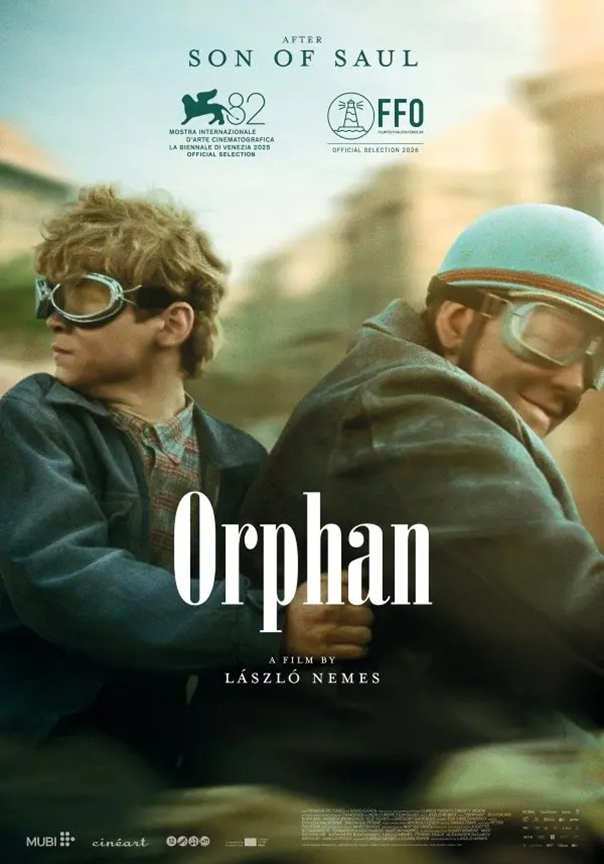
Tym razem László Nemes zabiera widzów w mroczne czasy po upadku antykomunistycznego powstania na Węgrzech. Zrujnowany Budapeszt pogrążył się w apatii i strachu przed kolejnymi represjami. Główny bohater, Andor, został odnaleziony w sierocińcu przez matkę, która cudem przetrwała Holokaust. Nastolatek na próżno wyczekuje powrotu idealizowanego, znanego tylko ze słyszenia ojca, i nie chce przyjąć do wiadomości, że pora na nowo ułożyć sobie życie. Zaciekle opiera się przed zaakceptowaniem ordynarnego ale zaradnego rzeźnika Berenda, który podczas wojny odegrał jakąś niejasną rolę w ocaleniu matki, a teraz ogłasza się jego prawdziwym ojcem. Wściekłością reaguje na nieporadne próby zjednania sobie sympatii poprzez wspólne przejażdżki na motocyklu czy wizyty na meczu bokserskim. Próba sił tych dwóch postaci oraz rozpaczliwe poszukiwanie przez Andora własnej tożsamości stanowią oś fabularną filmu. Nowy obraz Nemesa i tym razem wyróżnia niezwykły język wizualny - wykorzystanie ziarnistej taśmy 35 mm, zdjęcia w tonacji sepii, wszechobecny pył i gruzy, kamera prowadzona z ograniczonej perspektywy dziecka. Wszystko to pomaga wczuć się w duszny i pozbawiony bezpieczeństwa świat Andora.
NAGRODY I FESTIWALE: Venice Biennale 2025 (Competition) | Toronto International Film Festival | BFI London Film Festival (2025) | AFI Fest (2025) | Vancouver International Film Festival (2025) | Chicago International Film Festival (2025) | Mill Valley Film Festival (2025) | Busan International Film Festival (2025) | Seville European Film Festival (2025) | Zurich Film Festival (2025) | Rio de Janeiro International Film Festival (2025) | Bangkok International Film Festival (2025) | Haifa International Film Festival (2025) | Göteborg Film Festival (2026) | Vilnius International Film Festival – Kino Pavasaris (2026) | Luxembourg City Film Festival (2026)
The latest film from the Oscar-winning director of Son of Saul. This time, László Nemes takes viewers into the dark aftermath of the failed anti-communist uprising in Hungary. A ruined Budapest has plunged into apathy and fear of further repression. The protagonist, Andor, is found in an orphanage by his mother, who miraculously survived the Holocaust. The teenager vainly awaits the return of an idealized father he knows only by reputation, refusing to accept that it is time to rebuild his life. He fiercely resists accepting Berend—a crude yet resourceful butcher who played an ambiguous role in saving his mother during the war and now declares himself to be Andor's true father. He reacts with fury to Berend’s clumsy attempts to win his affection through motorcycle rides or visits to a boxing match. The showdown between these two characters, alongside Andor’s desperate search for his own identity, forms the narrative core of the film. Nemes’s new work once again stands out for its extraordinary visual language: the use of grainy 35mm film stock, sepia-toned cinematography, ubiquitous dust and rubble, and a camera anchored in a limited child's perspective. All of this helps immerse the audience in Andor's suffocating and insecure world.
Tym razem László Nemes zabiera widzów w mroczne czasy po upadku antykomunistycznego powstania na Węgrzech. Zrujnowany Budapeszt pogrążył się w apatii i strachu przed kolejnymi represjami. Główny bohater, Andor, został odnaleziony w sierocińcu przez matkę, która cudem przetrwała Holokaust. Nastolatek na próżno wyczekuje powrotu idealizowanego, znanego tylko ze słyszenia ojca, i nie chce przyjąć do wiadomości, że pora na nowo ułożyć sobie życie. Zaciekle opiera się przed zaakceptowaniem ordynarnego ale zaradnego rzeźnika Berenda, który podczas wojny odegrał jakąś niejasną rolę w ocaleniu matki, a teraz ogłasza się jego prawdziwym ojcem. Wściekłością reaguje na nieporadne próby zjednania sobie sympatii poprzez wspólne przejażdżki na motocyklu czy wizyty na meczu bokserskim. Próba sił tych dwóch postaci oraz rozpaczliwe poszukiwanie przez Andora własnej tożsamości stanowią oś fabularną filmu. Nowy obraz Nemesa i tym razem wyróżnia niezwykły język wizualny - wykorzystanie ziarnistej taśmy 35 mm, zdjęcia w tonacji sepii, wszechobecny pył i gruzy, kamera prowadzona z ograniczonej perspektywy dziecka. Wszystko to pomaga wczuć się w duszny i pozbawiony bezpieczeństwa świat Andora.
NAGRODY I FESTIWALE: Venice Biennale 2025 (Competition) | Toronto International Film Festival | BFI London Film Festival (2025) | AFI Fest (2025) | Vancouver International Film Festival (2025) | Chicago International Film Festival (2025) | Mill Valley Film Festival (2025) | Busan International Film Festival (2025) | Seville European Film Festival (2025) | Zurich Film Festival (2025) | Rio de Janeiro International Film Festival (2025) | Bangkok International Film Festival (2025) | Haifa International Film Festival (2025) | Göteborg Film Festival (2026) | Vilnius International Film Festival – Kino Pavasaris (2026) | Luxembourg City Film Festival (2026)
The latest film from the Oscar-winning director of Son of Saul. This time, László Nemes takes viewers into the dark aftermath of the failed anti-communist uprising in Hungary. A ruined Budapest has plunged into apathy and fear of further repression. The protagonist, Andor, is found in an orphanage by his mother, who miraculously survived the Holocaust. The teenager vainly awaits the return of an idealized father he knows only by reputation, refusing to accept that it is time to rebuild his life. He fiercely resists accepting Berend—a crude yet resourceful butcher who played an ambiguous role in saving his mother during the war and now declares himself to be Andor's true father. He reacts with fury to Berend’s clumsy attempts to win his affection through motorcycle rides or visits to a boxing match. The showdown between these two characters, alongside Andor’s desperate search for his own identity, forms the narrative core of the film. Nemes’s new work once again stands out for its extraordinary visual language: the use of grainy 35mm film stock, sepia-toned cinematography, ubiquitous dust and rubble, and a camera anchored in a limited child's perspective. All of this helps immerse the audience in Andor's suffocating and insecure world.
*******
Bezpieczne zakupy w Bilety24. W przypadku odwołania wydarzenia, gwarantujemy automatyczny zwrot środków potwierdzony komunikatem wysyłanym na adres e-mail, podany podczas zakupu.