





Bilety na: 24. WJFF: PRZY PLANTY 7/9
Organizator: Mazowiecki Instytut Kultury
Zakończenie sprzedaży online: 03.11.2026, g. 20:00
4 lipca 1946 roku, rok po drugiej wojnie światowej, milicja, żołnierze i zwykli Kielczanie zabijają ocalałych z Holocaustu Żydów, mieszkających w Komitecie Żydowskim w centrum miasta. Ranią około 80 osób w całych Kielcach. Pogrom kielecki staje się symbolem polskiego powojennego antysemityzmu w świecie żydowskim. W Polsce jest tematem zakazanym przez władze ludowe.
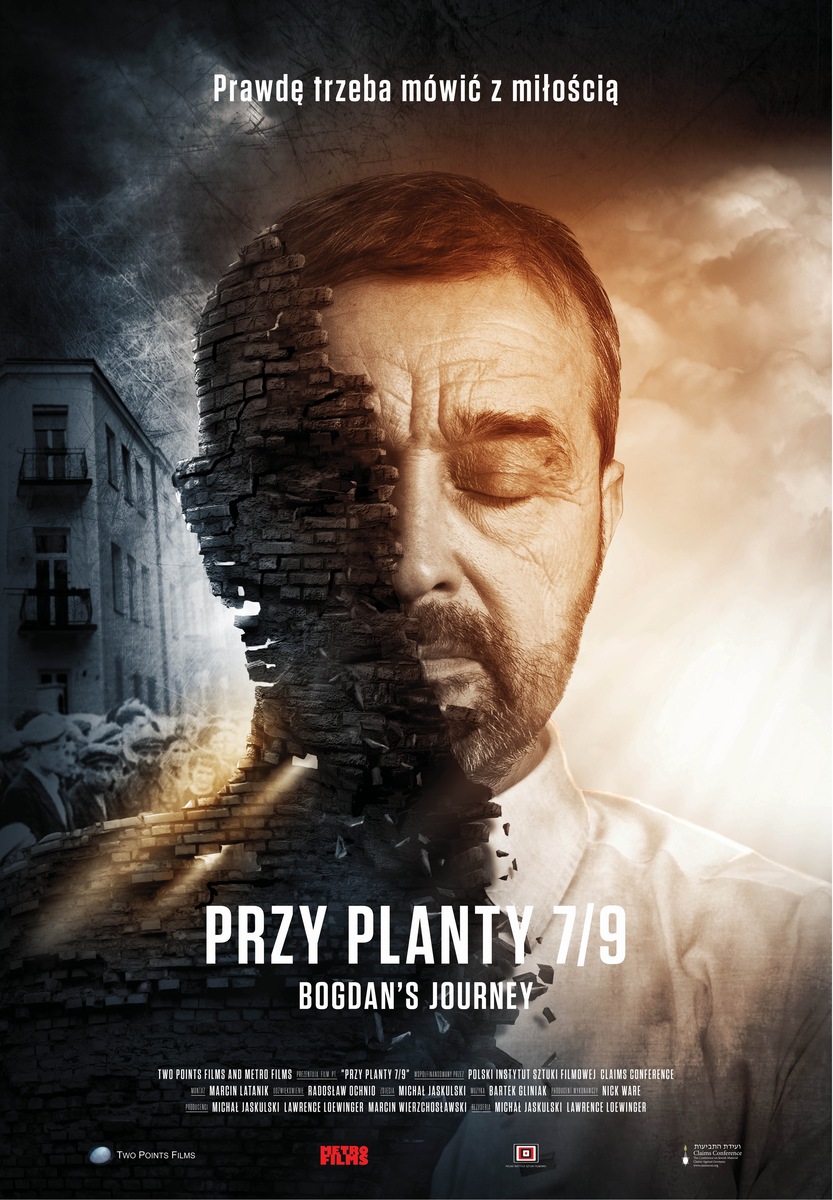
Z upadkiem komunizmu, Bogdan Białek, polski katolik, z wykształcenia psycholog, otwiera puszkę Pandory: zaczyna publicznie mówić o tym, co wydarzyło się w 1946 roku. Przebija się przez teorie spiskowe dotyczące pogromu, wyparcie pogromu ze świadomości kielczan i utrwalane przez lata wzajemne stereotypy Polaków i Żydów. Zbliżenie między kielczanami a Żydami zaczyna się rodzić, lecz ma też swoją cenę.
Reżyserzy filmu – polski katolik i amerykański Żyd – przez blisko dziesięć lat realizacji filmu, uczyli się wspólnego spojrzenia na historię pogromu. W 70 rocznicę tragedii, przedstawiają widzom historię o tym, jak wiele może się zmienić między ludźmi, gdy nawet najtrudniejsza prawda, przekazywana jest z miłością. Spotkanie z reżyserem Michałem Jaskulskim.
NAGRODY I FESTIWALE: Nagroda Specjalna – Warsaw Jewish Film Festival 2016, Najlepszy Film Dokumentalny – St. Louise International Film Festival 2017, Najlepszy Film Dokumentalny – Jersey City International Television & Film Festival 2016, Film Nominowany do Nagrody im. Jerzego Turowicza 2017
On July 4, 1946—one year after the end of World War II—militiamen, soldiers, and ordinary residents of Kielce murdered Holocaust survivors living in the Jewish Committee building in the heart of the city, wounding about 80 people across Kielce. The Kielce pogrom became a symbol of Polish postwar antisemitism in the Jewish world, while in Poland it remained a taboo subject silenced by the communist authorities.
With the fall of communism, Bogdan Białek—a Polish Catholic and psychologist by training—opened Pandora's box by beginning to speak publicly about what happened in 1946. He broke through conspiracy theories surrounding the pogrom, the local community's denial of the event, and long-standing mutual stereotypes between Poles and Jews. A rapprochement between the residents of Kielce and Jews began to take root, though it came at a price.
The film's directors—a Polish Catholic and an American Jew—spent nearly a decade making the film, learning to share a common perspective on the history of the pogrom. On the 70th anniversary of the tragedy, they present a story about how much can change
between people when even the most difficult truth is conveyed with love. Following the screening, there will be a Q&A with director Michał Jaskulski.
Z upadkiem komunizmu, Bogdan Białek, polski katolik, z wykształcenia psycholog, otwiera puszkę Pandory: zaczyna publicznie mówić o tym, co wydarzyło się w 1946 roku. Przebija się przez teorie spiskowe dotyczące pogromu, wyparcie pogromu ze świadomości kielczan i utrwalane przez lata wzajemne stereotypy Polaków i Żydów. Zbliżenie między kielczanami a Żydami zaczyna się rodzić, lecz ma też swoją cenę.
Reżyserzy filmu – polski katolik i amerykański Żyd – przez blisko dziesięć lat realizacji filmu, uczyli się wspólnego spojrzenia na historię pogromu. W 70 rocznicę tragedii, przedstawiają widzom historię o tym, jak wiele może się zmienić między ludźmi, gdy nawet najtrudniejsza prawda, przekazywana jest z miłością. Spotkanie z reżyserem Michałem Jaskulskim.
NAGRODY I FESTIWALE: Nagroda Specjalna – Warsaw Jewish Film Festival 2016, Najlepszy Film Dokumentalny – St. Louise International Film Festival 2017, Najlepszy Film Dokumentalny – Jersey City International Television & Film Festival 2016, Film Nominowany do Nagrody im. Jerzego Turowicza 2017
On July 4, 1946—one year after the end of World War II—militiamen, soldiers, and ordinary residents of Kielce murdered Holocaust survivors living in the Jewish Committee building in the heart of the city, wounding about 80 people across Kielce. The Kielce pogrom became a symbol of Polish postwar antisemitism in the Jewish world, while in Poland it remained a taboo subject silenced by the communist authorities.
With the fall of communism, Bogdan Białek—a Polish Catholic and psychologist by training—opened Pandora's box by beginning to speak publicly about what happened in 1946. He broke through conspiracy theories surrounding the pogrom, the local community's denial of the event, and long-standing mutual stereotypes between Poles and Jews. A rapprochement between the residents of Kielce and Jews began to take root, though it came at a price.
The film's directors—a Polish Catholic and an American Jew—spent nearly a decade making the film, learning to share a common perspective on the history of the pogrom. On the 70th anniversary of the tragedy, they present a story about how much can change
between people when even the most difficult truth is conveyed with love. Following the screening, there will be a Q&A with director Michał Jaskulski.
*******
Bezpieczne zakupy w Bilety24. W przypadku odwołania wydarzenia, gwarantujemy automatyczny zwrot środków potwierdzony komunikatem wysyłanym na adres e-mail, podany podczas zakupu.